 LEOPARD’S EYE RESORTLEOPARD’S EYE RESORT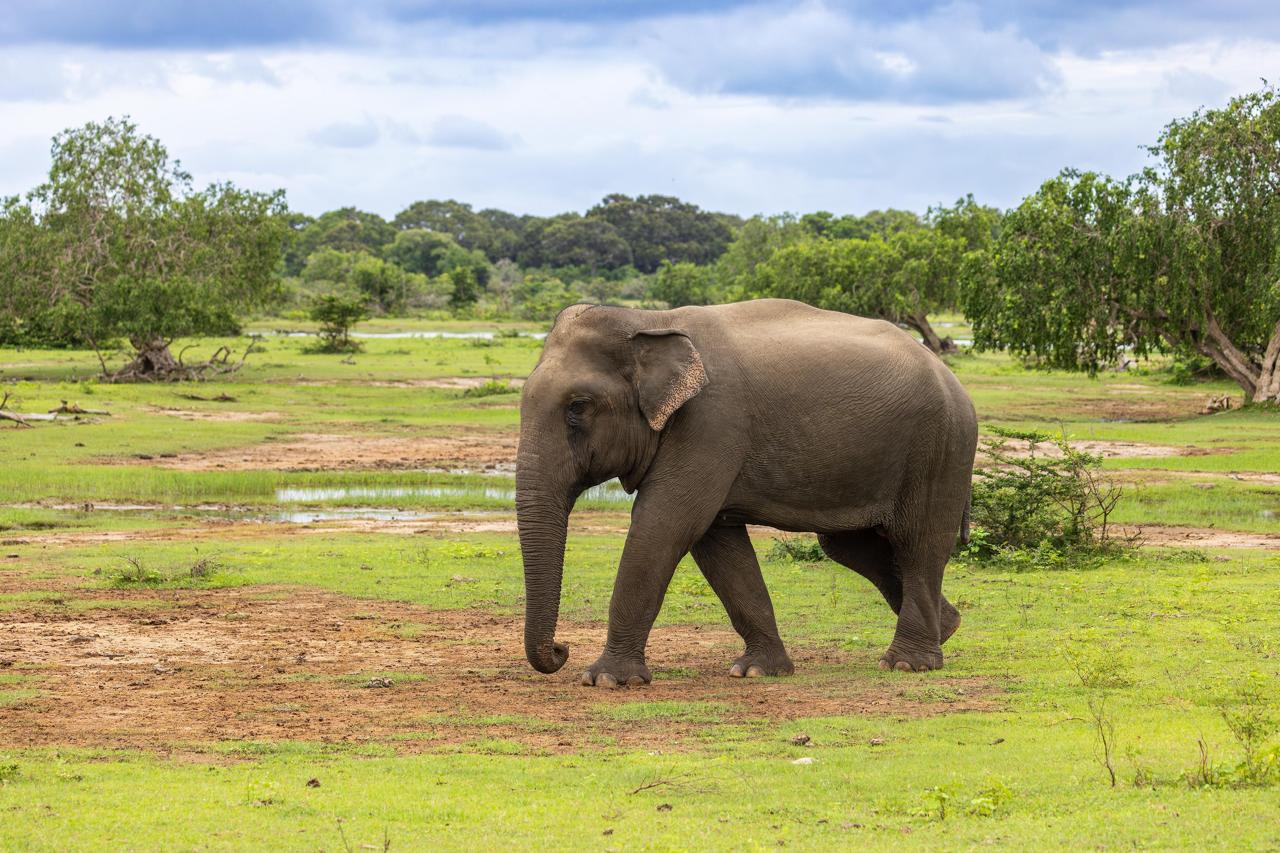
Sri Lanka is one of the best places in Asia for wildlife lovers. Despite its small size, the country is home to a wide variety of animals and ecosystems that rival much larger nations.
This compact island packs an extraordinary diversity of life into its landscapes. From leopards prowling through dry zone forests to blue whales swimming in deep ocean waters, from elephant herds roaming ancient plains to rare birds singing in misty rainforests – Sri Lanka offers wildlife experiences that will leave you breathless.
The island's unique geography, varied climate zones, and commitment to conservation have created sanctuaries where nature thrives. For travelers seeking authentic encounters with wildlife in their natural habitats, Sri Lanka stands as a true paradise.
Yala National Park is famous for having one of the highest densities of leopards in the world. This remarkable statistic draws wildlife enthusiasts from every corner of the globe, all hoping to catch a glimpse of these magnificent cats in their natural environment.
The Safari Experience:
Visitors can go on safari and spot elephants, crocodiles, peacocks, and many other animals across Yala's diverse landscapes. The park is divided into five blocks, with Block One being the most popular for leopard sightings.
Early morning safaris offer the best chances of wildlife encounters. As the sun rises over the scrub jungle, animals emerge from their nighttime hiding places. Your jeep driver, experienced in reading animal behavior, will navigate the park's trails with skill and patience.
What You Might See:
Leopards are the star attraction, often spotted lounging on tree branches or rocky outcrops. These solitary cats are masters of camouflage, but their golden coats gleam beautifully in morning light when conditions are right.
Asian elephants roam freely through the park, sometimes in large family groups. Watching these gentle giants move through the landscape is a humbling experience that reminds you of nature's grandeur.
Sloth bears, though more elusive, inhabit Yala's forests. Spotting one is considered particularly lucky, as they tend to avoid open areas during daylight hours.
Spotted deer, sambar deer, and wild boar are abundant and form the prey base for the park's predators. Their presence indicates a healthy ecosystem functioning as nature intended.
Marsh crocodiles bask along riverbanks and waterholes, ancient reptiles that have changed little over millions of years. Water monitors, large lizards related to the Komodo dragon, scurry through underbrush.
Peacocks display their spectacular plumages, while eagles, hawks, and owls patrol the skies. Over two hundred bird species have been recorded in Yala, making it excellent for birdwatching.
Best Time to Visit Yala:
The park remains open year-round, but certain seasons offer better wildlife viewing. February through July provides dry conditions when animals congregate around remaining water sources, making them easier to spot.
The park closes briefly during September and October for maintenance and to allow wildlife undisturbed breeding time. Plan accordingly when scheduling your visit.
Safari Tips:
For those who love elephants, Udawalawe National Park is the perfect place to see large herds in their natural habitat. This park has earned its reputation as one of the best places in the world to observe Asian elephants in the wild.
Why Udawalawe for Elephants:
Unlike some parks where elephant sightings are幸运, Udawalawe offers near-guaranteed encounters. The park's landscape centers around the Udawalawe Reservoir, which provides year-round water that attracts elephants consistently.
Family herds of elephants move through the park's grasslands and forests, displaying natural behaviors that offer fascinating insights into their complex social structures. Watch as matriarchs guide their families, calves play in water, and males establish dominance.
The Elephant Experience:
Seeing elephants in the wild differs profoundly from zoo or sanctuary encounters. Here, they roam free across hundreds of square kilometers, answering to no human authority. Their movements follow ancient patterns dictated by seasons, water availability, and food sources.
During dry seasons, elephants gather in impressive numbers around the reservoir. Groups sometimes merge, creating temporary aggregations of dozens of individuals. These moments offer incredible photography opportunities and unforgettable memories.
Baby elephants bring particular joy to observers. Watching them learn to use their trunks, play with peers, and stay close to protective mothers creates emotional connections that last long after your safari ends.
Udawalawe Elephant Transit Home:
Near the park, the Elephant Transit Home rehabilitates orphaned elephant calves before releasing them back into the wild. This facility offers viewing opportunities during feeding times, allowing visitors to learn about elephant conservation efforts.
The transit home follows ethical practices focused on eventual release rather than permanent captivity. Calves receive minimal human contact to ensure they retain wild instincts necessary for survival.
Other Wildlife in Udawalawe:
While elephants dominate attention, the park hosts other notable species. Water buffalo graze in grasslands, marsh crocodiles inhabit waterways, and diverse bird populations thrive throughout the year.
Grey langur monkeys swing through trees, mongoose scurry through underbrush, and if you're fortunate, you might spot the rare Sri Lankan leopard passing through the area.
Best Practices for Elephant Viewing:
Maintain respectful distances from elephants at all times. These are wild animals capable of unpredictable behavior, especially mothers with calves.
Never attempt to feed wild elephants. Human food can harm their health and create dangerous dependencies.
Keep voices low and movements calm. Elephants have excellent hearing and can sense tension from considerable distances.
Follow your guide's instructions without exception. Their experience protects both visitors and animals.
Nature enthusiasts should also visit the Sinharaja Forest Reserve, a UNESCO World Heritage site filled with rare plants, birds, and wildlife. Walking through this rainforest feels like stepping into another world, one that has existed largely unchanged for millions of years.
Ancient Rainforest:
Sinharaja represents Sri Lanka's last viable area of primary tropical rainforest. This designation means the forest has never been completely cleared or commercially logged, preserving ecological integrity found in few places on Earth.
The name Sinharaja translates to "King of Lions," though no lions inhabit these forests. The name likely references the legendary Sinhalese people's connection to lion ancestry.
Biodiversity Beyond Compare:
Despite covering only about 88 square kilometers, Sinharaja contains an astonishing concentration of endemic species. Over sixty percent of the trees found here exist nowhere else on Earth.
Birdwatchers consider Sinharaja paradise. Over eighty percent of Sri Lanka's endemic birds inhabit this forest, including the elusive Sri Lanka blue magpie, red-faced malkoha, and green-billed coucal.
Mammals include the purple-faced langur, Sri Lanka leopard, and various mongoose species. Though dense vegetation makes sightings challenging, tracks and calls reveal their presence throughout the forest.
Reptiles and amphibians thrive in Sinharaja's humid environment. Rare frogs, snakes, and lizards occupy specialized niches within the forest ecosystem, many discovered only recently by science.
The Trekking Experience:
Walking through Sinharaja requires guides, a regulation that protects both visitors and the forest. These knowledgeable companions identify plants, point out hidden wildlife, and share ecological insights that enrich the experience.
Trails wind through towering trees whose canopies block much sunlight, creating dim, cathedral-like atmospheres. Air feels thick with humidity and the scent of decomposing vegetation – the smell of life cycling endlessly.
Streams cross the paths, their clear waters home to aquatic life found nowhere else. Waterfalls appear unexpectedly, their sounds joining the forest's natural symphony of bird calls, insect chirps, and rustling leaves.
Conservation Success:
Sinharaja's UNESCO status recognizes both its ecological value and conservation achievements. Once threatened by logging and encroachment, the forest now receives protection that allows natural processes to continue undisturbed.
Local communities participate in conservation efforts, finding economic alternatives to forest exploitation. Ecotourism provides income while incentivizing preservation, creating sustainable relationships between people and nature.
Visiting Sinharaja:
Access points include Kudawa and Deniyaya, with Kudawa being the more popular entrance. The main trail leads to the Pothupola Peak, offering views over the forest canopy for those willing to climb.
Wear sturdy shoes suitable for muddy, slippery conditions. Leeches are common during wet seasons – protective socks and salt can help manage this minor inconvenience.
Allow at least half a day for a meaningful forest experience. Rushing through Sinharaja defeats the purpose of immersing yourself in this extraordinary ecosystem.
Sri Lanka's wildlife wonders extend beyond land into the surrounding Indian Ocean, where some of Earth's largest creatures navigate ancient migration routes.
Whale Watching in Mirissa:
The waters off Mirissa host one of the world's best whale watching opportunities. Blue whales, the largest animals ever to exist on Earth, pass through these waters during migration seasons.
Sperm whales reside in these waters year-round, offering consistent viewing opportunities. These intelligent creatures dive to extraordinary depths, hunting squid in darkness far below the surface.
Dolphins accompany boat trips frequently, their playful behavior providing entertainment while whales remain the primary attraction. Spinner dolphins leap and rotate through the air in displays of pure joy.
Trincomalee Whale Watching:
The east coast around Trincomalee offers alternative whale watching from May through September, when monsoon patterns shift whale movements to these waters.
This seasonal variation means Sri Lanka offers whale watching opportunities nearly year-round, simply by choosing the appropriate coast for the season.
Responsible Whale Watching:
Choose operators committed to responsible practices. Boats should maintain safe distances, avoid chasing whales, and limit time spent with each animal group.
Proper whale watching prioritizes animal welfare over guaranteed sightings. Ethical operators explain this philosophy and demonstrate it through their on-water behavior.
Sri Lanka ranks among the world's premier bird watching destinations, with over 440 recorded species including twenty-seven endemics found nowhere else.
Endemic Specialties:
The Sri Lanka junglefowl, national bird of the country, displays stunning plumage that inspired peacock comparisons. Males show iridescent colors that photograph beautifully in forest light.
Layard's parakeet, Sri Lanka hanging parakeet, and Sri Lanka wood pigeon represent just a few endemic species that delight birders throughout the island.
Best Birding Locations:
Sinharaja Forest Reserve tops the list for rainforest endemics. Bundala National Park excels for migratory waterbirds. Horton Plains offers highland specialties. Each habitat hosts distinct bird communities.
Birding Seasons:
November through March brings migratory species from Europe and Asia, swelling resident populations with temporary visitors. This period offers maximum species diversity for dedicated birders.
Turtle Conservation:
Several coastal locations host turtle conservation projects where visitors learn about marine turtle protection. Five of the world's seven marine turtle species nest on Sri Lankan beaches.
Hatcheries protect eggs from predators and human interference, releasing baby turtles once they've developed sufficiently. Participating in releases creates meaningful connections with conservation work.
Minneriya Elephant Gathering:
During dry seasons, hundreds of elephants congregate around Minneriya Tank, creating one of Asia's largest elephant gatherings. This natural phenomenon rivals Udawalawe for elephant viewing and offers unique photographic opportunities.
Wilpattu National Park:
Sri Lanka's largest national park features unique willu lakes – natural depressions that fill with water and attract wildlife. Wilpattu receives fewer visitors than Yala, offering more solitary safari experiences.
Leopards inhabit Wilpattu, and the park's larger size provides them extensive territory. Sightings require patience but reward those willing to invest time.
Sri Lanka's wildlife faces ongoing challenges that require continued attention and support from both locals and visitors.
Human-Wildlife Conflict:
As human populations expand, wildlife habitats shrink, creating conflicts especially with elephants. Crop raiding by elephants threatens farmer livelihoods, sometimes leading to retaliatory killings.
Conservation organizations work to mitigate these conflicts through elephant corridors, early warning systems, and community education programs. Supporting these initiatives helps ensure long-term coexistence.
Poaching and Illegal Trade:
Despite legal protections, poaching remains a threat to certain species. International demand for wildlife products drives illegal hunting that undermines conservation gains.
Strengthened law enforcement, community involvement, and reduced consumer demand all contribute to combating this persistent challenge.
Climate Change Impacts:
Changing weather patterns affect wildlife habitats throughout Sri Lanka. Altered monsoon timing, increased temperatures, and extreme weather events stress ecosystems already pressured by human activity.
Adaptation strategies include habitat restoration, protected area expansion, and research into species resilience. International cooperation supports these essential efforts.
How Visitors Can Contribute:
Choose tour operators with genuine conservation commitments. Your tourism dollars can support protection efforts when spent responsibly.
Avoid attractions that exploit wildlife for entertainment. Elephant rides, forced