 LEOPARD’S EYE RESORTLEOPARD’S EYE RESORT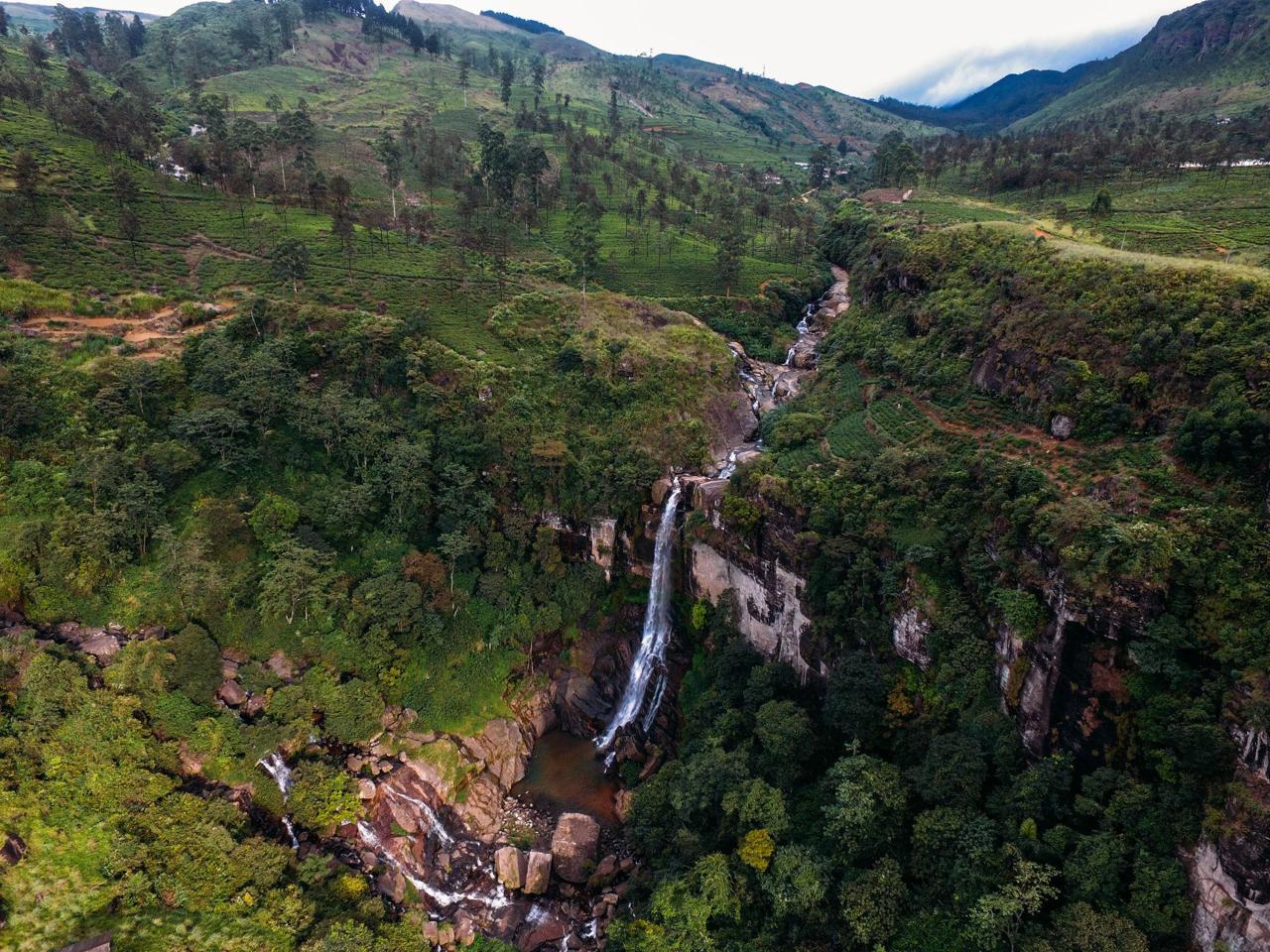
Moving inland, Sri Lanka transforms into a completely different world. The hill country is filled with cool climates, rolling tea plantations, and breathtaking mountain views that seem to stretch endlessly into the horizon.
After experiencing the warm tropical beaches, the journey into the mountains offers a refreshing change. The air becomes crisp, mist rolls through the valleys, and the landscape paints itself in countless shades of green. This is Sri Lanka's hill country – a land that feels suspended between earth and sky.
Sri Lanka's central highlands rise dramatically from the coastal plains, reaching heights of over 2,500 meters above sea level. This elevation change creates a completely different ecosystem and climate compared to the rest of the island.
What Makes the Hill Country Unique:
The temperature drops significantly as you climb higher. While the coast basks in tropical heat, the hills enjoy cool, pleasant weather that sometimes requires a light jacket or sweater. Morning mist blankets the valleys, creating an ethereal atmosphere that feels like stepping into a dream.
The landscape is dominated by tea plantations that cascade down mountain slopes in perfectly manicured rows. Women in colorful saris work among the tea bushes, their skilled hands plucking the finest leaves that will eventually become some of the world's most prized Ceylon tea.
Waterfalls tumble down rocky cliffs, rivers carve through deep valleys, and ancient forests shelter rare wildlife. This is nature at its most magnificent.
One of the highlights of traveling in Sri Lanka is the train journey from Kandy to Ella. This route is considered one of the most scenic train rides in the world, passing through mountains, tunnels, and tea plantations that seem to go on forever.
The Experience:
Imagine sitting in an open doorway of a slowly moving train, your feet dangling above the tracks, as lush green scenery unfolds before your eyes. The train climbs steadily through the mountains, crossing bridges that span deep valleys and disappearing into dark tunnels carved through solid rock.
The journey takes approximately six to seven hours, but time seems to lose its meaning when you're surrounded by such beauty. Each turn reveals a new vista – terraced tea gardens, small villages nestled in valleys, waterfalls appearing suddenly beside the tracks.
Tips for the Train Journey:
This train ride isn't just transportation – it's an attraction in itself, a moving meditation through some of the most beautiful landscapes on Earth.
The town of Ella is one of the most popular destinations for travelers in the hill country. Surrounded by lush greenery, this small mountain town has captured the hearts of adventurers, photographers, and nature lovers from around the world.
Nine Arch Bridge – An Iconic Landmark
Watching a train slowly pass over the Nine Arch Bridge, surrounded by jungle, is a magical experience that defines Ella. This colonial-era railway bridge was built entirely of stone, brick, and cement without a single piece of steel.
The bridge spans a deep valley, with nine perfect arches creating a stunning architectural achievement. When a bright blue train crosses the bridge, framed by emerald green tea plantations and misty mountains, the scene looks like something from a fairy tale.
Getting to Nine Arch Bridge:
The hike to the bridge takes about thirty to forty-five minutes from Ella town. The path winds through tea plantations and small villages, offering beautiful views along the way. Arrive early to secure a good viewing spot, especially if you want to photograph the train crossing.
Hiking Adventures in Ella:
Ella is a haven for hikers of all levels. The surrounding hills offer numerous trails that reward climbers with spectacular views.
Little Adam's Peak is a popular choice for sunrise or sunset hikes. The climb is relatively easy and takes about an hour, making it accessible for most fitness levels. From the summit, you can see Ella Rock, the Nine Arch Bridge, and valleys stretching into the distance.
Ella Rock offers a more challenging hike with even more rewarding views. The trail takes you through forests, tea plantations, and rural villages. Starting before dawn ensures you reach the top in time for sunrise – a moment when the world below awakens in a sea of mist and golden light.
Waterfalls Around Ella:
The hill country is dotted with spectacular waterfalls, and Ella is no exception. Ravana Falls is perhaps the most famous, named after the legendary King Ravana from the Ramayana epic. The waterfall cascades down a rocky face beside the main road, creating a dramatic natural spectacle.
During the rainy season, the falls reach their full power, with water thundering down with incredible force. In drier months, the flow reduces but the beauty remains. Local vendors sell fresh fruit and snacks nearby, making it a perfect spot for a refreshing break.
Nearby Nuwara Eliya, often called "Little England," offers a colonial charm that transports visitors to a different era. The cool weather, British-style buildings, and vast tea estates create an atmosphere unlike anywhere else in Sri Lanka.
Colonial Heritage:
During British colonial rule, Nuwara Eliya served as a hill station where administrators escaped the tropical heat of the lowlands. The architecture from this period remains beautifully preserved, with Tudor-style houses, manicured gardens, and even a post office that looks like it belongs in an English village.
The town center features charming boutiques, tea rooms serving scones and cream, and hotels that maintain their colonial character. Walking through Nuwara Eliya feels like stepping into a piece of history that has been lovingly preserved.
Gregory Lake:
At the heart of Nuwara Eliya lies Gregory Lake, a serene body of water surrounded by walking paths and recreational areas. Visitors can rent paddle boats, enjoy horseback rides along the shore, or simply sit and watch the reflections of mountains on the water's surface.
During evenings, the lake area comes alive with families and couples enjoying the cool mountain air. Food vendors offer local snacks, and the atmosphere is peaceful and welcoming.
Tea Estate Experiences:
Nuwara Eliya sits in the heart of Sri Lanka's tea country. Visitors can explore tea factories and learn how Sri Lanka produces some of the world's finest tea.
Inside a Tea Factory:
The tea-making process is fascinating to witness. Fresh tea leaves arrive at the factory and undergo several stages before becoming the familiar dried tea we know.
Withering reduces moisture content from the freshly plucked leaves. Rolling breaks down the leaf structure and releases essential oils. Fermentation develops the characteristic flavor and color. Drying stops the fermentation process and preserves the tea. Finally, sorting separates the tea by grade and quality.
Guided tours explain each step while you observe workers operating machinery that has been refined over more than a century. Most tours conclude with a tea tasting session where you can sample different varieties and purchase fresh tea to take home.
Pedro Tea Estate is one of the most popular factories for visitors. The viewing platform offers panoramic views of surrounding plantations, and the knowledgeable guides share insights about tea cultivation that deepen your appreciation for every cup.
Sri Lanka's tea industry is legendary, and the hill country is where this story unfolds. Understanding the journey from leaf to cup adds depth to your highland experience.
A Brief History:
Tea wasn't always Sri Lanka's primary crop. In the nineteenth century, coffee plantations dominated the highlands until a devastating disease destroyed the industry. Scottish planter James Taylor planted the first tea bushes in 1867, and the rest is history.
Today, Ceylon Tea is recognized worldwide for its quality and distinctive flavor. The tea grown at different elevations possesses unique characteristics – high-grown teas from Nuwara Eliya are light and delicate, while mid-grown teas from Kandy offer more robust flavors.
Meeting the Tea Pluckers:
The tea plantations employ thousands of workers, many of whom are descendants of Tamil workers brought from India during colonial times. Their skilled hands pluck only the finest two leaves and a bud from each bush, ensuring the highest quality.
Some estates offer opportunities to meet tea pluckers and even try your hand at plucking. You'll quickly discover how much skill and patience this work requires – what looks simple is actually quite demanding.
The hill country's climate differs significantly from the rest of Sri Lanka, and understanding these patterns helps plan your visit.
Temperature:
Expect daytime temperatures between fifteen and twenty-five degrees Celsius, depending on elevation. Nights can be considerably cooler, sometimes dropping to single digits in the highest areas. Pack warm clothing, especially if you plan early morning hikes.
Rainfall Patterns:
The hill country experiences two monsoon seasons. The southwest monsoon affects the region from May to September, while the northeast monsoon brings rain from December to February. However, rain in the hills often comes in short bursts rather than all-day downpours.
Best Time to Visit:
January through March offers the most stable weather with clear skies and comfortable temperatures. This is ideal for hiking, photography, and outdoor activities. However, the hill country remains beautiful year-round, and even rainy days have their charm – mist rolling through valleys creates dramatic, moody landscapes perfect for photography.
While tea plantations and train rides dominate most itineraries, the hill country offers numerous other experiences worth exploring.
Bird Watching:
The highland forests are home to many endemic bird species found nowhere else on Earth. The Sri Lanka blue magpie, white-faced starling, and Kashmir flycatcher are just a few examples. Early morning walks through forest reserves offer excellent birding opportunities.
Horton Plains National Park:
A short drive from Nuwara Eliya, Horton Plains offers unique highland ecosystems and the famous World's End viewpoint. This cliff drops dramatically nearly nine hundred meters, offering views that stretch to the southern coast on clear days.
The park requires an early start – visitors must arrive by dawn to secure entry. The hiking trail to World's End takes about two hours and passes through cloud forests where you might spot sambar deer, wild boar, and various monkey species.
Waterfall Chasing:
Beyond Ravana Falls, the hill country boasts numerous spectacular waterfalls. Bambarakanda Falls is the tallest in Sri Lanka, plunging over two hundred sixty meters down a mountainside. Diyaluma Falls offers natural infinity pools where adventurous visitors can swim.
Each waterfall has its own character and accessibility level. Some require challenging hikes, while others are visible from the roadside. Research beforehand to match waterfalls with your fitness level and available time.
Village Tours:
Small villages scattered throughout the hill country offer glimpses into rural Sri Lankan life. Local guides can arrange visits where you meet farming families, observe traditional cooking methods, and understand how communities have thrived in these mountains for generations.
The hill country offers diverse lodging options to suit every preference and budget.
Colonial Bungalows:
Many former plantation bungalows have been converted into charming guesthouses and boutique hotels. These properties maintain their colonial architecture while offering modern comforts. Staying in one feels like living in a piece of history.
Tea Estate Resorts:
Some working tea estates offer accommodation where guests can wake up to views of tea plantations and participate in estate activities. This immersive experience deepens your understanding of tea culture.
Budget Guesthouses:
Ella and other popular towns have numerous budget-friendly guesthouses and hostels. These options are perfect for backpackers and travelers seeking to connect with fellow adventurers.
Luxury Options:
For those seeking indulgence, several luxury resorts offer spa treatments, fine dining, and personalized service amidst the mountain scenery. Imagine enjoying an Ayurvedic massage while listening to rain on the roof – pure bliss.
The hill country is a photographer's dream, but capturing its beauty requires some know-how.
Golden Hours:
Sunrise and sunset offer the best light for photography. Morning mist creates atmospheric conditions that add depth and drama to landscape shots. Plan your shoots around these times for stunning results.
Train Photography:
When photographing the famous train journeys, use a fast shutter speed to capture moving trains sharply. Position yourself safely away from tracks, and always prioritize safety over the perfect shot.
Tea Plantation Portraits:
If photographing tea workers, always ask permission first. Many are happy to pose, but respect their dignity and consider offering a small tip if they take time from their work.
Dealing with Mist:
Fog and mist are common in the hills. While they create beautiful atmosphere, they can challenge your camera's focus. Use manual focus when necessary and embrace the moody conditions rather than fighting them.
Highland cuisine reflects the cooler climate and colonial influences.
Specialties to Try:
Hot kottu roti hits differently in cool mountain air. The combination of chopped roti, vegetables, meat, and spices provides warmth and energy after a day of hiking.
Strawberries are grown extensively in Nuwara Eliya. Fresh strawberry juice, strawberry ice cream, and even strawberry wine are local treats you won't find elsewhere in Sri Lanka.
Traditional Sri Lankan curries remain staples, but you'll also find more Western-influenced dishes reflecting the colonial heritage. Many restaurants serve excellent pasta, burgers, and pizzas alongside local fare.
Tea Room Culture:
Don't miss experiencing a traditional tea room. Order a pot of freshly brewed Ceylon tea with scones, cream, and jam. It's a delightful nod to British colonial influence that feels perfectly at home in the cool highland air.
As visitors to this beautiful region, we have responsibilities to honor the land and its people.
Environmental Considerations:
The hill country's ecosystems are fragile. Stay on marked trails, don't litter, and avoid picking plants or disturbing wildlife. The beauty you came to see depends on careful preservation.
Cultural Sensitivity:
Many tea estate workers face challenging conditions. While photographing their work, maintain respect and dignity. Consider supporting organizations that work to improve worker welfare if you're moved to contribute.
Support Local:
Choose locally-owned accommodations, eat at family-run restaurants, and purchase tea directly from estates when possible. Your spending can positively impact local communities.
Sri Lanka's hill country offers an experience that transcends typical tourism. This is a place where nature displays its grandest gestures, where human history has shaped landscapes in harmony with the environment, and where every view invites contemplation.
From the rhythmic clatter of the famous train winding through mountains to the silent majesty of waterfalls plunging into hidden pools, from the skilled hands of tea pluckers to the warm hospitality of village families – the hill country touches something deep within every visitor.
The cool air fills your lungs differently here. The green seems more vibrant. The silence between sounds feels more profound. You leave the hills not just with photographs and souvenirs, but with a sense of having witnessed something rare and precious.
Whether you're hiking to sunrise viewpoints, sipping freshly brewed tea overlooking endless plantations, or simply sitting quietly as mist rolls through valleys, the hill country of Sri Lanka offers moments that stay with you long after you've descended back to the plains.
This land above the clouds awaits your discovery. Come with an open heart, and let the mountains work their magic on your soul.
Start planning your hill country adventure today. Pack warm clothes, charge your camera, and prepare for experiences that will redefine your understanding of natural beauty.
The mountains are calling, and Sri Lanka's highlands promise answers you didn't know you were seeking.