 LEOPARD’S EYE RESORTLEOPARD’S EYE RESORT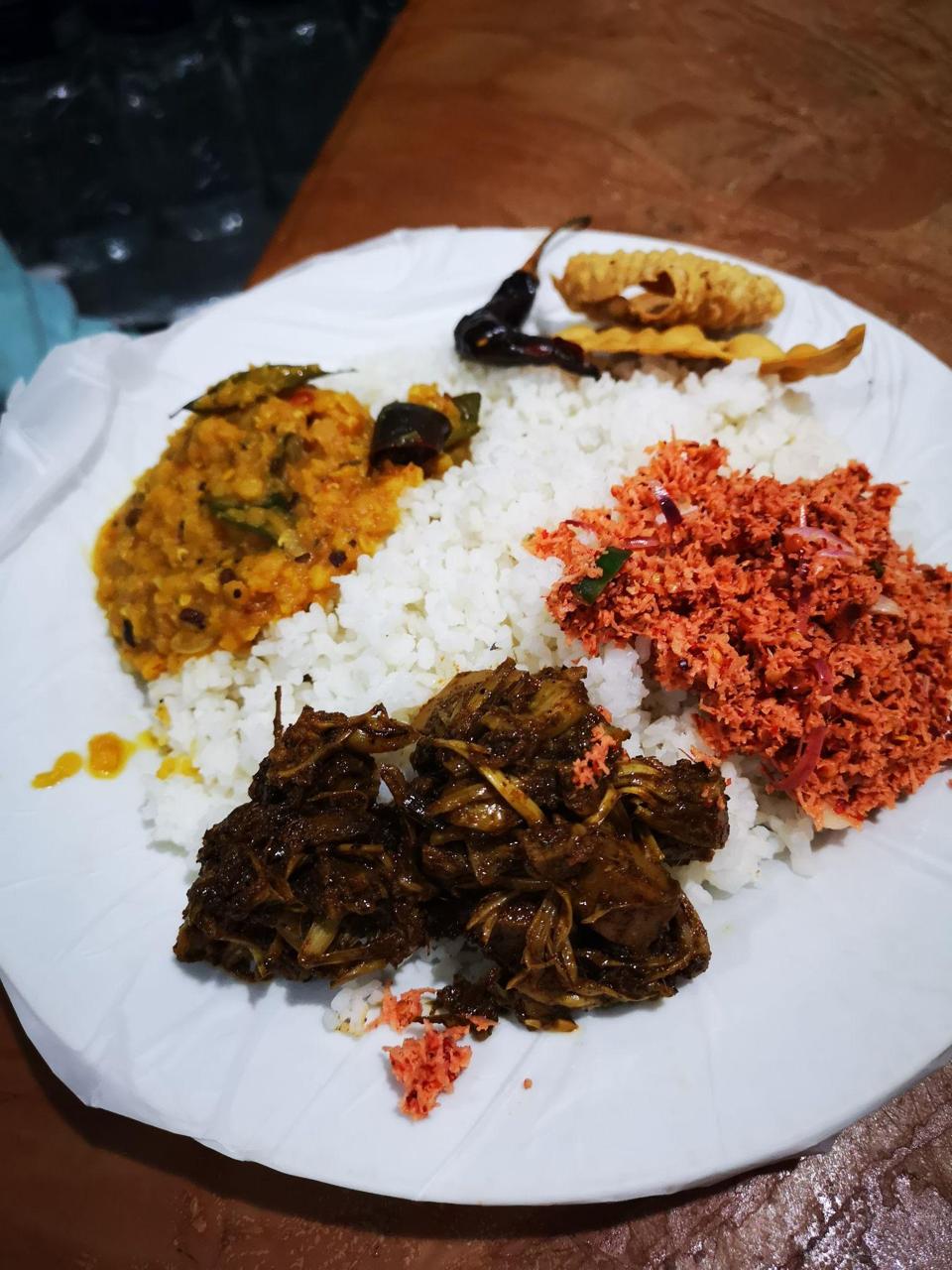
Sri Lankan cuisine is as vibrant as its landscapes. Rich in spices, flavors, and traditions, the food reflects the island's diverse culture and centuries of culinary evolution.
Every meal in Sri Lanka tells a story. Stories of ancient trade routes that brought cinnamon, cardamom, and cloves to these shores. Stories of colonial influences that blended with local traditions. Stories of families gathered around shared plates, passing down recipes through generations.
For travelers, experiencing Sri Lankan food isn't just about satisfying hunger – it's about connecting with the heart of the culture itself. The aromas, the flavors, the warmth of hospitality – all combine to create memories that linger long after your journey ends.
The most common dish in Sri Lanka is rice and curry, which includes a variety of vegetable and meat curries, each bursting with flavor. This isn't the single-curry dish many foreigners imagine – it's a magnificent spread of multiple dishes served together on one plate.
Understanding the Spread:
A traditional Sri Lankan rice and curry meal features steamed white rice surrounded by several small portions of different curries. You might find potato curry, dhal (lentil curry), green bean curry, fish curry, chicken curry, and various sambols all arranged together.
Each curry has its own distinct flavor profile. Some are fiery hot with chili, others are mild and creamy with coconut milk. Some are dry preparations, while others swim in rich, aromatic gravy. The variety ensures there's something for every palate.
The Art of Sambol:
No Sri Lankan meal is complete without sambol – condiments that add punch and personality to every bite. Pol sambol, made from grated coconut, chili, lime, and onions, is the most famous. Its spicy, tangy flavor complements the richness of curries perfectly.
Lunu miris, a simpler sambol of chili and salt, offers pure heat for those who dare. Tomato sambol brings freshness and acidity. Each region and family has their own variations, making every meal slightly unique.
Eating with Your Hands:
Traditionally, Sri Lankans eat rice and curry with their right hand. Mixing the rice with various curries creates small balls that are brought to the mouth. This tactile connection to food enhances the dining experience and is deeply rooted in cultural tradition.
Visitors are welcome to use utensils, but trying the traditional method at least once offers deeper connection to local customs. Most restaurants happily provide forks and spoons for those who prefer them.
Street food like kottu roti – a mix of chopped flatbread, vegetables, and meat – is both delicious and popular among locals. This dish has become synonymous with Sri Lankan street food culture.
The Kottu Experience:
The sound of kottu being prepared is unmistakable. Two metal blades chop rhythmically against a hot griddle, creating a musical clanging that echoes through streets at night. This percussive cooking is as much part of the experience as the food itself.
Roti bread is chopped into small pieces and stir-fried with vegetables, eggs, meat, and a blend of spices. The high heat creates slightly crispy edges while keeping the interior tender. Each vendor has their own secret spice mix that makes their kottu unique.
Variations to Try:
Vegetable kottu offers a lighter option packed with seasonal vegetables. Chicken kottu adds protein and richness. Cheese kottu has become popular with younger generations, adding melted cheese for extra indulgence.
Some vendors offer egg kottu, where a fried egg tops the chopped mixture. Others create seafood versions with fish or prawns for coastal flair. The possibilities reflect Sri Lanka's culinary creativity.
When to Eat Kottu:
Kottu is primarily an evening and nighttime dish. Street vendors set up after sunset, serving hungry locals and tourists until late hours. Finding a busy kottu stall with a crowd of locals is often the best indicator of quality.
The dish works perfectly after a night out, as a late dinner, or whenever hunger strikes. Its combination of carbohydrates, protein, and spices provides satisfying comfort food that hits every note.
Breakfast dishes such as hoppers and string hoppers offer a unique taste experience that sets Sri Lankan mornings apart from anywhere else in the world.
Hoppers – Bowl-Shaped Delights:
Hoppers, known locally as appa, are bowl-shaped pancakes made from fermented rice flour and coconut milk. The batter is poured into small wok-like pans and swirled to create thin edges with a soft, spongy center.
Plain hoppers are served with curry or sambol for dipping into the bowl's center. Egg hoppers feature an egg cracked into the center while cooking, creating a runny yolk surrounded by crispy edges.
Sweet hoppers incorporate jaggery or honey for a dessert-like breakfast option. The fermentation process gives hoppers their distinctive slight sourness that balances beautifully with sweet or savory accompaniments.
String Hoppers – Delicate Noodle Nests:
String hoppers, or idiappam, consist of thin rice noodles steamed into small circular nests. The texture is soft and slightly chewy, perfect for soaking up curry gravies.
These delicate creations require skill to make properly. The rice flour dough is pressed through special molds to create thin strands that are then arranged in circular patterns before steaming.
String hoppers typically come in sets of several nests per serving. They're accompanied by coconut sambol, dhal curry, and sometimes a spicy meat or fish curry for those who eat meat.
Other Breakfast Options:
Pittu, a cylindrical dish of ground rice and coconut, is steamed in bamboo molds and served with curry or sweetened coconut. Its crumbly texture and mild flavor make it a comforting breakfast choice.
Kiribath, or milk rice, is a special dish made with coconut milk that creates a creamy, slightly sweet rice preparation. It's often served during celebrations and special occasions but makes an excellent everyday breakfast too.
The use of coconut, spices, and fresh ingredients makes Sri Lankan food truly unforgettable. Understanding these core elements deepens appreciation for every meal.
Cinnamon – The Island's Gift:
Sri Lanka produces the world's finest true cinnamon, known as Ceylon cinnamon. This precious spice appears in both sweet and savory dishes, adding warmth and complexity.
The cinnamon trade shaped Sri Lanka's history, attracting Portuguese, Dutch, and British colonizers who sought control of this valuable commodity. Today, visitors can tour cinnamon plantations and learn about traditional harvesting methods.
Curry Leaves and Pandan:
Fresh curry leaves add distinctive aroma to Sri Lankan cooking. Unlike dried curry leaves found elsewhere, fresh leaves provide bright, citrusy notes that define authentic flavors.
Pandan leaves infuse rice and desserts with subtle vanilla-like fragrance. These aromatic leaves are tied in knots and added during cooking, then removed before serving.
Coconut in Every Form:
Coconut appears in countless forms throughout Sri Lankan cuisine. Coconut milk creates rich, creamy curries. Grated coconut forms the base of sambols. Coconut oil is used for frying and tempering.
Even the water inside young king coconuts serves as a refreshing beverage sold by street vendors throughout the island. Nothing goes to waste in traditional Sri Lankan cooking.
Chili Heat:
Sri Lankan food carries a reputation for spiciness, and deservedly so. Local chili varieties pack serious heat, appearing fresh, dried, powdered, and in paste forms.
However, not everything is fiery. Many dishes balance heat with cooling coconut, tangy tamarind, or sweet jaggery. Visitors can request milder preparations without sacrificing flavor.
Roasted Spice Blends:
Curry powder in Sri Lanka isn't a single blend but varies by dish. Roasted curry powder features spices toasted before grinding, creating deeper, nuttier flavors. Unroasted versions offer brighter, more aromatic profiles.
Each family and region develops their own spice combinations, making recipes deeply personal and varied across the island.
King Coconut – Nature's Sports Drink:
Thambili, or king coconut, provides natural hydration with subtle sweetness. Vendors cut the top off with a machete and insert a straw for immediate enjoyment.
The water is rich in electrolytes and perfect for tropical climates. After exploring in the heat, nothing refreshes quite like fresh king coconut straight from the source.
Wood Apple Juice:
This unique fruit produces tangy, brown juice that's an acquired taste for many visitors. The flavor combines sour, sweet, and earthy notes that prove surprisingly refreshing.
Wood apple is believed to have digestive benefits and is often consumed after heavy meals. Local markets sell the fruit whole or pre-prepared as juice.
Watalappam – Rich Custard Dessert:
This traditional dessert combines coconut cream, jaggery, eggs, and spices like cardamom and nutmeg. The result is a rich, caramel-like custard that melts in your mouth.
Watalappam appears at celebrations and special occasions. Its Persian-influenced recipe reflects the multicultural layers of Sri Lankan culinary history.
Kevum and Kokis:
These traditional sweets feature during New Year celebrations but are available year-round. Kevum is a deep-fried rice flour cake sweetened with treacle. Kokis are crispy, flower-shaped cookies made from rice flour and coconut milk.
Beyond food, the culture of Sri Lanka is deeply rooted in traditions, festivals, and hospitality. How people eat matters as much as what they eat.
Family-Style Sharing:
Meals are typically communal experiences where dishes are shared among family members or guests. This style emphasizes togetherness and generosity over individual portions.
Visitors are often encouraged to try everything on the table. Refusing food can sometimes be perceived as rejecting hospitality, so pace yourself and communicate politely if you're full.
Hospitality Culture:
Visitors are often welcomed with warmth and kindness, making them feel at home. This hospitality extends naturally to food – guests are frequently offered more than they can eat as a sign of welcome.
The phrase "කන්න" (kanna – eat) is heard constantly as hosts encourage guests to enjoy the meal. This generosity reflects deep cultural values around caring for others.
Ayurvedic Food Principles:
Traditional Sri Lankan dining incorporates Ayurvedic principles about balancing bodily energies through food. Certain foods are considered heating or cooling, and meals are structured to maintain harmony.
Rice is considered neutral and balancing, which explains its central role in meals. Spices aren't just for flavor – they serve medicinal purposes in traditional understanding.
Sinhala and Tamil New Year:
This April celebration features special foods prepared only during this period. Milk rice, konda kavum, and other traditional sweets fill tables as families gather to honor ancestors and welcome prosperity.
Cooking begins at astrologically determined auspicious times. The first pot of rice cooked in the new year is considered especially significant for bringing good fortune.
Vesak Celebrations:
During this Buddhist festival celebrating Buddha's birth, enlightenment, and passing, special foods are prepared and shared freely. Dansalas, or alms stalls, offer free food and drinks to passersby.
Kiribath and various sweets feature prominently. The act of giving food during Vesak embodies Buddhist principles of generosity and compassion.
Ramadan and Eid:
Sri Lanka's Muslim community celebrates with distinctive foods during Ramadan and Eid. Watalappam, biryani, and various sweets appear on tables as families break fasts and celebrate together.
Non-Muslim visitors are often welcomed to share in these celebrations, reflecting the island's tradition of religious harmony.
Christmas Traditions:
Christian communities prepare special dishes blending Sri Lankan and European influences. Shortbread cookies, fruit cakes, and curries all appear on Christmas tables across the island.
Coastal Cuisine:
Coastal areas feature abundant seafood prepared with local spices. Fish ambul thiyal, a sour fish curry, uses goraka fruit for preservation and tangy flavor.
Crab curries, prawn stir-fries, and seer fish preparations showcase the ocean's bounty. Coconut features heavily in coastal cooking, reflecting abundant palm groves.
Hill Country Specialties:
Cooler highland regions produce different ingredients than lowlands. Strawberries, carrots, and leeks grow in Nuwara Eliya's gardens, appearing in local dishes.
Trout fish, introduced during colonial times, is farmed in highland streams and served in restaurants throughout the hill country.
Northern Flavors:
Jaffna's Tamil cuisine features distinct spice blends and preparations. Crab curry from Jaffna carries particular fame for its intense flavors and generous portions.
Palmyrah-based products, including toddy and jaggery, feature prominently in northern cooking traditions.
Local Markets:
Visiting local markets offers insight into ingredients that form the foundation of Sri Lankan cooking. Vegetables, spices, fish, and meat are displayed in colorful abundance.
Pettah Market in Colombo overwhelms the senses with sights, sounds, and smells. Smaller town markets offer more manageable introductions to local produce.
Spice Gardens:
Many visitors tour spice gardens in the hill country to learn about cultivation and uses. These gardens explain how cinnamon, cardamom, cloves, and pepper grow and are processed.
Tastings are typically included, allowing visitors to sample fresh spices before purchasing. Quality varies, so research reputable gardens before visiting.
Street Food Adventures:
Street food offers authentic flavors at budget-friendly prices. Look for busy stalls with high turnover to ensure freshness.
Common street foods include isso wade (prawn fritters), panipuri-style snacks, and various fried items. Always observe hygiene practices and use judgment about what looks fresh.
Spice Levels:
Sri Lankan food can be genuinely spicy. Don't hesitate to request "less spicy" preparations if you're sensitive to heat. Most kitchens accommodate this willingly.
Build tolerance gradually rather than diving into the hottest dishes immediately. Your palate will adjust over time, allowing you to enjoy fuller flavor profiles.
Dietary Considerations:
Vegetarian options abound throughout Sri Lanka. Many restaurants clearly mark vegetarian dishes, and Buddhist temple towns offer exclusively vegetarian food.
Vegan travelers should note that some seemingly plant-based dishes include fish powder or dried fish for flavoring. Ask specifically about ingredients if this matters to you.
Water and Hygiene:
Drink bottled or filtered water throughout your trip. Avoid ice in drinks unless you're confident about its source.
Street food can be safely enjoyed by choosing busy vendors with high turnover. Freshly cooked items are generally safer than those sitting exposed for long periods.
Tipping Customs:
Tipping isn't mandatory but is appreciated for good service. Small amounts at local eateries show gratitude. Higher-end restaurants may include service charges automatically.
Learning to Cook:
Cooking classes offer hands-on experiences that deepen food understanding. Many hotels and independent operators offer classes teaching rice and curry, hoppers, or kottu preparation.
Taking recipes home extends your Sri Lankan food experience long after returning. The skills learned become lasting souvenirs of your journey.
Spices:
Packaged Ceylon cinnamon, curry powder blends, and whole spices make excellent gifts. Purchase from reputable sources to ensure quality and authenticity.
Tea:
While not strictly food, Ceylon tea complements Sri Lankan culinary experiences. Different elevations produce distinct flavor profiles worth exploring.
Preserved Products:
Jams, chutneys, and pickles capture Sri Lankan flavors in portable forms. Mango chutney, lime pickle, and spicy sambol jars travel well and bring flavors home.
Cookbooks:
Several excellent cookbooks document Sri Lankan recipes for home cooks. These provide guidance for recreating dishes after your journey ends.
Sri Lankan food offers more than sustenance – it provides connection to culture, history, and people. Every bite carries the weight of centuries of tradition, the warmth of island hospitality, and the complexity of flavors that define this remarkable destination.
From the first spoonful of rice and curry to the last sip of king coconut water, food becomes a language through which visitors understand Sri Lanka more deeply. The spices tell stories of ancient trade. The recipes preserve family histories. The shared meals create bonds between strangers.
Visitors are often welcomed with warmth and kindness, making them feel at home. This hospitality extends naturally through food – the offering of meals, the encouragement to eat more, the joy taken in watching guests enjoy local flavors.
Your journey through Sri Lanka isn't complete until you've sat at a local table, felt the heat of fresh curry, tasted the complexity of spices, and experienced the generosity that defines Sri Lankan dining culture.
Come hungry. Leave fulfilled. And carry these flavors in your memory forever.
Start planning your culinary adventure today. Every meal awaits as an opportunity to discover something new about this remarkable island and its people.
The spices are calling. The curries are simmering. Your table is ready.
🍛 Share this with someone who loves food and travel!
Tags: #SriLankaFood #SriLankanCuisine #FoodTravel #RiceAndCurry #KottuRoti #Hoppers #CulinaryTravel #AsianFood #TravelAndFood #AuthenticFlavors