 LEOPARD’S EYE RESORTLEOPARD’S EYE RESORT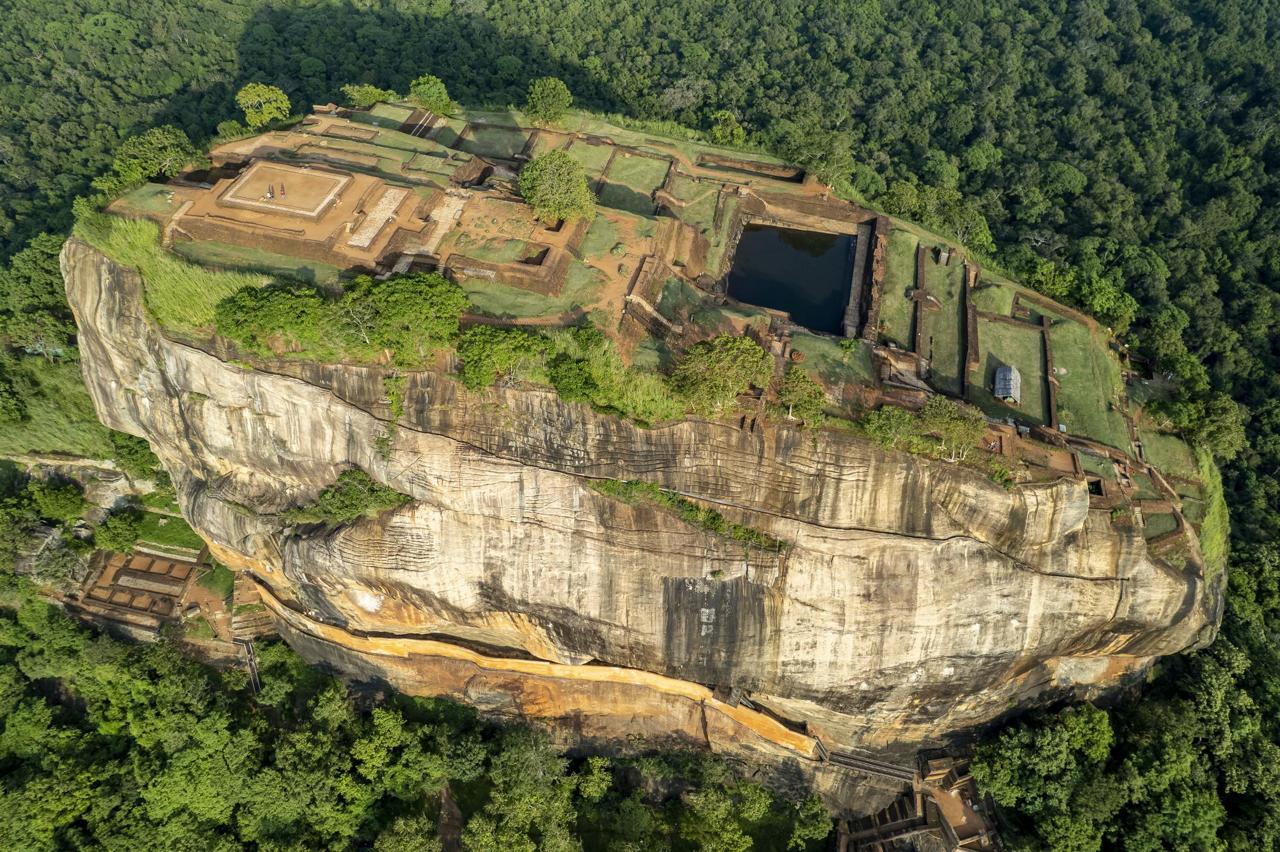
Sri Lanka is not only rich in natural beauty but also in history and culture. The island has a civilization that dates back over 2,500 years, making it one of the oldest continuous cultures in the world.
Every stone, every ruin, and every temple tells a story of kingdoms that rose and fell, of faith that endured through centuries, and of artistry that continues to inspire wonder. Walking through Sri Lanka's cultural sites feels like stepping into a living museum where history breathes and ancient wisdom still echoes through the ages.
One of the most iconic landmarks in Sri Lanka is Sigiriya, also known as the Lion Rock. Rising dramatically from the plains, this ancient fortress offers stunning views and fascinating historical significance that captivates every visitor.
The Story Behind the Rock:
Sigiriya was built in the fifth century by King Kasyapa, who chose this massive rock column as the site for his palace and fortress. The king sought protection from his enemies and created a masterpiece of engineering, art, and architecture that continues to amaze visitors today.
The name Sigiriya comes from "Sinha Giri," meaning Lion Gate. Massive lion paws carved into stone once guarded the entrance, and though only the paws remain today, they still convey the grandeur of what once stood here.
The Climb:
Climbing to the top is both a physical challenge and a rewarding experience. Approximately 1,200 steps lead you to the summit, passing through gardens, frescoes, and ancient inscriptions along the way.
The famous Sigiriya frescoes depict beautiful maidens painted in vibrant colors that have survived for over fifteen centuries. These artistic treasures offer a glimpse into the aesthetic sensibilities of ancient Sri Lankan civilization.
The Mirror Wall, once polished to such perfection that the king could see his reflection, now carries centuries of graffiti – some dating back to the sixth century. These ancient visitors left poems and messages, creating one of the world's oldest guest books.
At the Summit:
Reaching the top rewards you with panoramic views stretching across the surrounding plains. On clear days, you can see for miles in every direction, understanding why this location was chosen for a fortress palace.
The ruins of the king's palace still mark the summit, with foundations of rooms, courtyards, and even an ancient swimming pool carved into the rock. Standing here, you can almost imagine the life that once unfolded in this sky-high kingdom.
Tips for Visiting Sigiriya:
In Kandy, you will find the sacred Temple of the Tooth, which houses a relic believed to be a tooth of the Buddha. This temple is one of the most important religious sites in the country and attracts pilgrims from around the world.
Spiritual Significance:
The Temple of the Tooth, known locally as Sri Dalada Maligawa, holds immense spiritual importance for Buddhists worldwide. The sacred tooth relic was brought to Sri Lanka in the fourth century and has been protected through centuries of warfare, colonization, and change.
The temple complex is a beautiful example of Kandyan architecture, with intricate wood carvings, painted ceilings, and ornate decorations that reflect centuries of artistic tradition.
Daily Rituals:
The temple comes alive three times daily when priests perform sacred rituals. Devotees gather to witness these ceremonies, offering flowers and prayers in a atmosphere of deep reverence.
The evening puja is particularly special, with traditional drumming and chanting that creates an emotionally powerful experience. Even non-Buddhist visitors can feel the spiritual energy that permeates the sacred space.
The Esala Perahera:
Once a year, Kandy transforms into a spectacular celebration known as the Esala Perahera. This ten-day festival features elaborate processions with dancers, drummers, fire performers, and beautifully decorated elephants.
The highlight is the procession of the sacred tooth relic's casket, carried on a magnificently adorned elephant through the streets of Kandy. Thousands of devotees and visitors line the roads, creating an unforgettable spectacle of faith and culture.
Exploring Kandy:
Beyond the temple, Kandy offers rich cultural experiences. The city sits in a valley surrounded by mountains, creating a naturally beautiful setting that complements its cultural significance.
The Kandy Lake, built by the last king of Sri Lanka, offers peaceful walks with views of the temple and surrounding hills. The Royal Botanical Gardens in nearby Peradeniya showcase incredible plant collections and provide a tranquil escape.
Traditional Kandyan dance performances take place nightly near the temple. These shows preserve ancient art forms with colorful costumes, rhythmic drumming, and impressive acrobatic performances that have been passed down through generations.
Ancient cities like Anuradhapura showcase magnificent ruins, stupas, and statues that reflect the advanced civilization that once existed here. As one of the oldest continuously inhabited cities in the world, Anuradhapura served as Sri Lanka's capital for over 1,400 years.
The Sacred Bo Tree:
At the heart of Anuradhapura stands the Sri Maha Bodhi, a sacred fig tree grown from a cutting of the original Bodhi tree under which Buddha attained enlightenment. Planted in 288 BCE, this is the oldest known human-planted tree in the world still living today.
Pilgrims gather beneath its branches, offering prayers and tying prayer flags to surrounding railings. The tree has survived invasions, natural disasters, and the passage of millennia, protected by generations of devotees.
Massive Stupas:
Anuradhapura is home to some of the world's largest brick structures. The Ruwanwelisaya Stupa rises nearly one hundred meters, its white dome gleaming against the blue sky. This ancient monument was built in the second century BCE and remains an active place of worship.
The Jetavanaramaya Stupa was once the third tallest structure in the ancient world. Though partially ruined, its massive scale still impresses visitors who stand at its base, marveling at the engineering achievements of ancient Sri Lankan builders.
Ancient Bathing Pools:
The Kuttam Pokuna, or twin bathing pools, demonstrate sophisticated water management systems that were far ahead of their time. These beautifully constructed pools feature intricate drainage systems and decorative elements that showcase ancient craftsmanship.
Exploring the Ruins:
Anuradhapura's archaeological park covers a vast area, with ruins scattered across the landscape. Renting a bicycle is an excellent way to explore at your own pace, discovering hidden temples, ancient monasteries, and stone inscriptions.
The moonstones at temple entrances feature elaborate carvings depicting Buddhist symbolism. Each element tells a story about the path to enlightenment, carved in stone by artists whose names are lost to history but whose work endures.
Tips for Visiting Anuradhapura:
Polonnaruwa served as Sri Lanka's capital from the eleventh to thirteenth centuries, after Anuradhapura was abandoned. This well-preserved ancient city offers a different perspective on Sri Lankan civilization.
The Gal Vihara:
The Gal Vihara features magnificent Buddha statues carved directly into a granite rock face. These sculptures are considered among the finest examples of ancient Sri Lankan art.
The standing Buddha statue shows a unique pose with crossed arms, believed to represent Buddha's sorrow at the division among his disciples. The reclining Buddha, depicting Buddha's passing into nirvana, stretches over fourteen meters and displays incredible artistry in its peaceful expression.
Royal Palace Complex:
The ruins of the royal palace give insight into medieval Sri Lankan architecture. Though only foundations remain, the scale suggests a grand structure with multiple courtyards and hundreds of rooms.
The audience hall features intricate carvings of dwarfs, lions, and other figures that once supported the wooden superstructure. These details reveal the artistic sophistication of the period.
Ancient Irrigation Systems:
Polonnaruwa demonstrates advanced understanding of water management. The Parakrama Samudra, or Sea of Parakrama, is an enormous reservoir built by King Parakramabahu the Great. This engineering marvel still serves agricultural purposes today, nearly a thousand years after its construction.
King Parakramabahu's famous declaration that "not even a little water that comes from the rain must flow into the ocean without being made useful to man" reflects the sophisticated approach to resource management in ancient Sri Lanka.
Exploring Polonnaruwa:
Like Anuradhapura, Polonnaruwa is best explored by bicycle. The compact layout makes it easy to visit major sites in a single day while appreciating the scale of this ancient capital.
The museum near the entrance provides valuable context before exploring the ruins. Exhibits include artifacts, models, and explanations that bring the ancient city to life.
Sri Lanka's cultural heritage extends beyond these famous sites, with numerous other treasures waiting to be discovered.
Dambulla Cave Temple:
This UNESCO World Heritage site features five caves filled with Buddhist murals and statues. The paintings cover over 2,000 square meters and depict scenes from Buddha's life and various Buddhist stories.
The temple complex has been in continuous use for over 2,000 years, making it one of the best-preserved cave temple complexes in South Asia. Monkeys roam the grounds, adding a lively element to this sacred space.
Galle Fort:
While primarily known for its colonial architecture, Galle Fort represents layers of cultural history. Portuguese, Dutch, and British influences blend with Sri Lankan traditions, creating a unique cultural fusion.
Walking the fort walls at sunset offers views of the Indian Ocean while surrounded by centuries of history. The narrow streets hide boutique shops, cafes, and galleries that occupy buildings hundreds of years old.
Jaffna Peninsula:
The northern peninsula offers a different cultural perspective, with strong Tamil Hindu influences. Ancient temples, colonial ruins, and a distinct culinary tradition make Jaffna a fascinating cultural destination.
The Nallur Kandaswamy Temple is one of the most important Hindu temples in Sri Lanka. Daily rituals and annual festivals draw thousands of devotees, showcasing living religious traditions.
Sri Lanka's cultural heritage isn't confined to ruins and museums – it lives in the daily practices, arts, and traditions of its people.
Traditional Mask Dancing:
The coastal town of Ambalangoda is famous for traditional mask dancing. These performances combine dance, music, and elaborate hand-carved masks to tell stories of demons, gods, and folklore.
The masks themselves are works of art, each representing different characters from Sri Lankan mythology. Master craftsmen continue this tradition, passing skills from generation to generation.
Ayurveda:
The ancient healing system of Ayurveda has been practiced in Sri Lanka for thousands of years. Traditional treatments combine herbal medicines, massage, and lifestyle guidance to promote holistic wellness.
Many visitors incorporate Ayurvedic treatments into their cultural experience, connecting with this ancient wisdom while enjoying therapeutic benefits.
Handicrafts:
Sri Lankan artisans produce beautiful handicrafts using traditional techniques. Wood carving, brass work, batik textiles, and pottery reflect centuries of artistic tradition.
Visiting workshops allows you to observe craftsmen at work and purchase authentic souvenirs that support traditional livelihoods.
Sri Lanka's cultural heritage reflects remarkable religious diversity, with Buddhism, Hinduism, Islam, and Christianity all contributing to the island's cultural tapestry.
Buddhist Temples:
Thousands of Buddhist temples dot the landscape, from grand complexes to small village shrines. Each offers insight into Buddhist philosophy, art, and community life.
Hindu Kovils:
Colorful Hindu temples, particularly in the north and east, feature intricate sculptures of deities and vibrant festivals. The architecture and rituals differ from Buddhist sites, showcasing cultural variety.
Mosques:
Beautiful mosques throughout the island reflect the Muslim community's contributions to Sri Lankan culture. The Jami Ul-Alfar Mosque in Colombo, with its distinctive red and white stripes, is an architectural landmark.
Churches:
Colonial-era churches showcase Christian heritage, with some dating back to Portuguese and Dutch periods. These buildings often blend European architectural styles with local influences.
This religious harmony, though sometimes tested through history, remains a defining characteristic of Sri Lankan culture. Different faiths coexist, and visitors can experience this diversity respectfully.
Sri Lankan art and architecture reflect influences from India, Southeast Asia, and colonial powers, blended with unique local innovations.
Ancient Engineering:
The construction of massive stupas without modern equipment demonstrates remarkable engineering knowledge. Ancient builders understood mathematics, physics, and materials science at sophisticated levels.
Painting Traditions:
Temple paintings follow traditional styles using natural pigments. These artworks depict religious stories while also offering glimpses into daily life from different historical periods.
Sculpture:
Stone and bronze sculptures showcase artistic mastery. Buddha images in various poses, Hindu deities, and decorative elements demonstrate both technical skill and spiritual understanding.
Colonial Architecture:
Dutch and British colonial buildings add another layer to the architectural landscape. Galle Fort, Colombo's colonial quarter, and hill country bungalows reflect this heritage.
Dress Code:
Modest clothing is essential when visiting religious sites. Shoulders and knees should be covered, and you'll need to remove shoes and hats before entering temples. Carry a sarong or scarf for easy coverage if needed.
Photography:
Photography is restricted in many sacred areas. Always look for signs or ask permission before taking photos. Never photograph people praying without consent, and avoid using flash inside temples.
Behavior:
Maintain respectful behavior at all cultural sites. Speak quietly, follow local customs, and listen to guides or temple officials. Remember these are active places of worship, not just tourist attractions.
Guides:
Hiring knowledgeable guides enhances your understanding significantly. They provide historical context, explain symbolism, and share stories that bring sites to life. Verify guides are licensed for the best experience.
Timing:
Visit popular sites early in the morning to avoid crowds and heat. Many temples close during midday hours for rest periods. Check opening times before planning your visit.
Donations:
Many temples welcome donations for maintenance. Contribute respectfully if you wish, but beware of aggressive solicitation. Official donation boxes are usually clearly marked.
Sri Lanka's cultural heritage faces challenges from tourism pressure, environmental factors, and limited conservation resources. Responsible tourism plays a crucial role in preservation.
How Visitors Can Help:
The ruins and temples we visit today have survived centuries. With careful stewardship, they can continue inspiring future generations.
Sri Lanka's cultural heritage offers more than sightseeing – it provides connection to human civilization at its most creative and spiritual. Standing before Sigiriya's towering rock, walking through Anuradhapura's ancient streets, or witnessing prayers at the Temple of the Tooth, you touch something timeless.
These sites remind us that humans have always sought to create beauty, express faith, and build civilizations that outlast individual lives. The hands that carved Gal Vihara's statues, painted Sigiriya's frescoes, and constructed massive stupas reached across centuries to speak to us today.
Walking through Sri Lanka's cultural heritage isn't just about seeing old buildings. It's about understanding how people lived, believed, created, and endured. It's about recognizing our shared human story written in stone, paint, and sacred relics.
The island's 2,500 years of continuous civilization offer perspective that few places can match. In a world that often feels disconnected from history, Sri Lanka's cultural sites ground us in something deeper and more enduring.
Come with respect, leave with wonder, and carry these stories forward. The heritage of Sri Lanka awaits your discovery.
Begin planning your cultural journey through Sri Lanka today. Each ancient stone has a story, each temple holds wisdom, and each ruin whispers secrets of civilizations past.
History is waiting. All you need to do is take the first step.
🏛️ Share this with someone who loves history and culture!
Tags: #SriLankaCulture #Sigiriya #TempleOfTheTooth #Anuradhapura #Polonnaruwa #HistoricalTravel #CulturalHeritage #UNESCO #AncientCivilizations #TravelHistory